- Associate degrees
- Bachelor’s degrees
- Master’s degrees
- Cybersecurity certifications
- Maine Cybersecurity initiatives
- FAQs
Students exploring cybersecurity degree options in Maine can find a variety of academic pathways connected to employer demand in finance, defense contracting, insurance, and healthcare.
This page concentrates on degree and school options and mentions institutions only when they offer distinctive workforce partnerships, research activity, or specialized training initiatives.
How we keep this page current
Content is reviewed using program verification and labor market data from CyberSeek, wage and employment estimates from the Bureau of Labor Statistics (BLS) OEWS, and Maine labor market tools from the Maine Department of Labor’s Center for Workforce Research and Information (CWRI).
We also verify statewide cybersecurity governance resources through Maine’s Office of Information Technology (MaineIT). Institution-specific information is confirmed through official university initiative and research center pages, and time-sensitive details are routinely rechecked and removed when no longer current.
Ad
cybersecurityguide.org is an advertising-supported site. Clicking in this box will show you programs related to your search from schools that compensate us. This compensation does not influence our school rankings, resource guides, or other information published on this site.
Featured Cybersecurity Degree Programs
| School Name | Program | More Info |
|---|---|---|
| Southern New Hampshire University | Online BS in Cybersecurity or Online MS in Cybersecurity | website |
| Purdue Global | Online BS in Cybersecurity | website |
| UC Berkeley School of Information | Master’s in Cybersecurity | No GRE/GMAT Required | website |
Cybersecurity workforce demand in Maine
Cybersecurity demand is usually described using online job postings (short-term employer demand), employment estimates (current workforce size), and projections/openings (expected longer-term needs). Each metric answers a different question.
- CyberSeek demand context: CyberSeek’s heat map provides Maine-level views for cybersecurity job openings and related supply/demand signals by state and metro area.
- State-level openings/projections context: Maine CWRI’s “High-Wage, In-Demand Jobs” dashboard includes Information Security Analysts and defines “High Demand” as occupations expected to have at least 20 openings per year between 2022 and 2032.
- BLS employment and wages (Maine): BLS OEWS estimates 270 Information Security Analysts employed in Maine with an annual mean wage of $96,060.
- Another cyber-adjacent occupation (Maine): BLS OEWS estimates 470 Computer Network Architects employed in Maine with an annual mean wage of $107,630.
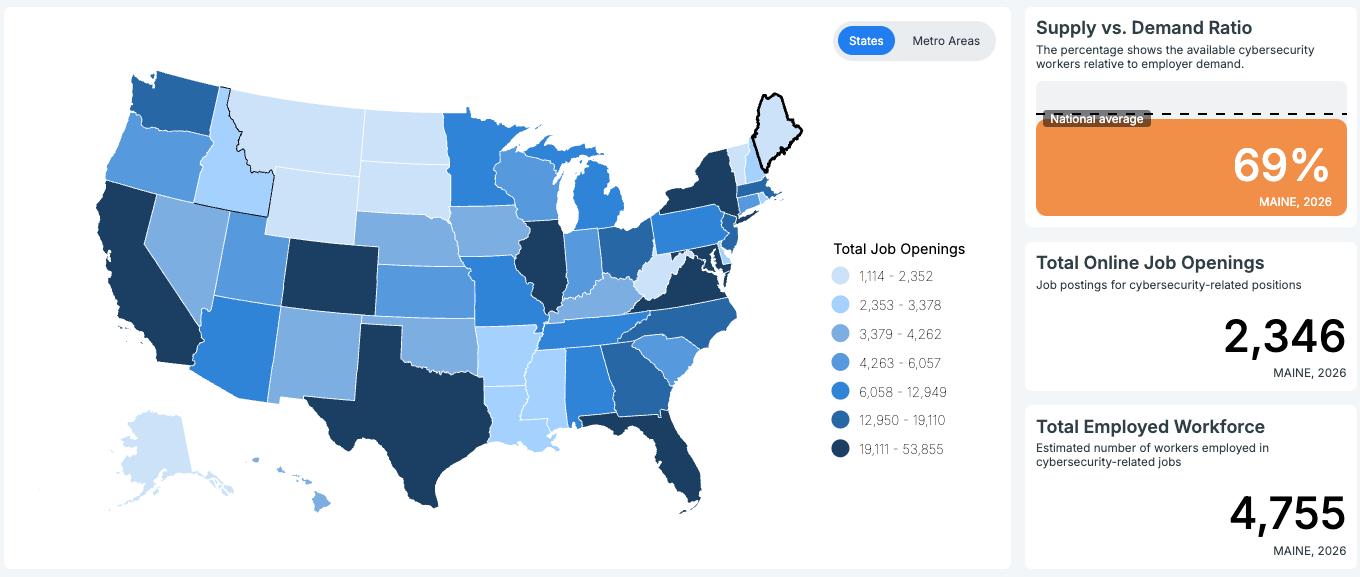
What these metrics do (and do not) mean: Job postings reflect recruiting activity and can change quickly. Employment and wage estimates reflect current staffing levels, not vacancies. “Openings” in projection tools mix growth and replacement needs and should be treated as planning guidance rather than a guarantee.
Related resources
Cybersecurity degree pathways in Maine
Associate degrees
Associate programs are often the fastest way to build core IT and security fundamentals and can be a strong starting point when paired with a clear transfer plan. When evaluating options, prioritize:
- articulation/transfer pathways into bachelor’s programs
- lab-based networking and systems coursework
- security monitoring/logging fundamentals
Central Maine Community College
Auburn, Maine Program: Associate in Applied Science in Cybersecurity-Digital Forensics
Credits: 60-61
Cost per credit: $96 in state | $384 out of state
Delivery Method: Campus
Learn more: Program detailsSouthern Maine Community College
South Portland, MaineProgram: Associate Degree in Cyber Security
CAE designation: CAE-CD
Credits: 60
Cost per credit: $96 in state | $192 out of state
Delivery Method: Campus
Learn more: Program details
Bachelor’s degrees
Bachelor’s programs are the most common pathway into analyst, engineering, and security operations roles. In Maine, prioritize programs that document hands-on environments and workforce engagement (ranges, centers, applied practicums).
Distinctive initiatives worth noting:
- University of Maine at Augusta (UMA) – Maine Cyber Range: UMA operates the Maine Cyber Range as an immersive training and simulation center for education and workforce development.
- University of Maine System (UMS) – Maine Cybersecurity Center (MCC): UMS established the Maine Cybersecurity Center as a systemwide focal point for cyber education resources and support across UMS institutions.
What to look for (regardless of degree title): sustained lab access, applied projects, internship/co-op pipelines, and curriculum aligned to recognized workforce frameworks (e.g., NICE/NIST).
Thomas College
Waterville, MaineProgram: Bachelor of Science in Security & Cyber Defense
Credits: 121
Cost per credit: $1,972
Delivery Method: Campus, Online
Learn more: Program detailsUniversity of Southern Maine
Portland, MaineProgram: Bachelor of Science in Cyber Security
CAE designation: CAE-CD
Credits: 120
Cost per credit: $288 in-state | $810 out-of-state
Delivery Method: Campus, Online
Learn more: Program detailsUniversity of Maine at Augusta
Augusta, MaineProgram: Bachelor of Science in Cybersecurity
CAE designation: CAE-CD
Credits: 121
Cost per credit: $245 in state | $625 out of state
Delivery Method: Campus, Online
Learn more: Program details
Master’s degrees
Master’s pathways can be a good fit for students targeting security leadership, architecture, or specialized technical depth. In Maine, students should prioritize graduate options that provide documented access to applied labs, research groups, or partner-driven projects (and verify those features on official program pages).
University of Southern Maine
Portland, MaineProgram: Master’s in Cybersecurity
Credits: 30
Cost per credit: $447
Delivery Method: Online
GRE/GMAT Required: Not Required
Learn more: Program details
Certifications and workforce programs
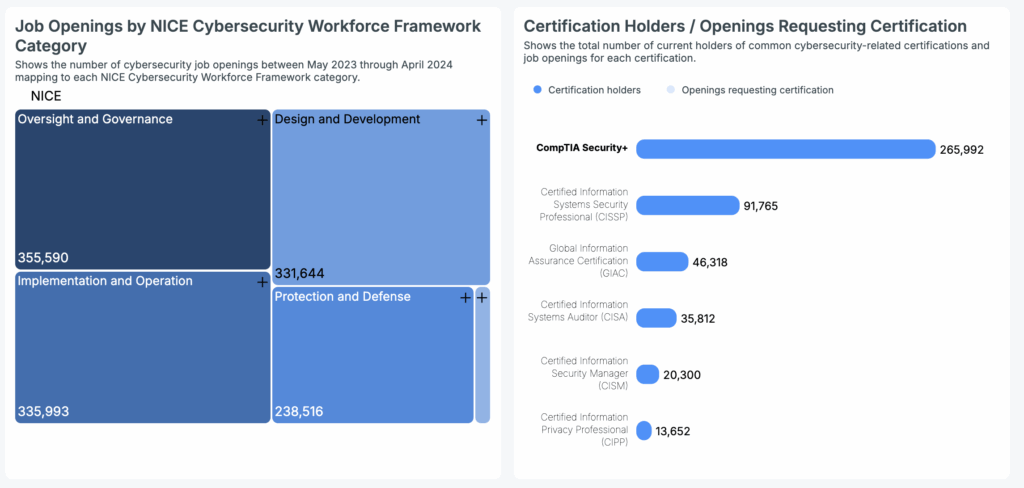
Many Maine programs integrate certification preparation into degree coursework rather than running standalone “cert tracks.” For short-term options, prioritize:
- alignment to NICE/NIST role categories (when explicitly documented by the provider)
- documented hands-on lab environments (virtual or in-person)
- measurable skill outcomes (projects, practicums, range exercises)
Central Maine Community College
Auburn, MaineProgram: Network Security Advanced Certificate (CNS)
Credits: 18
Cost per credit: $160 in-state | $320 out of state
Delivery Method: Campus
Learn more: Program detailsUniversity of Maine at Augusta
Augusta, MaineProgram: Graduate Certificate in Cybersecurity
CAE designation: CAE-CD
Credits: 15
Cost per credit: $445 in-state | $587 out of state
Delivery Method: Hybrid, Online
Learn more: Program details
Scholarship for Service
The federal CyberCorps® Scholarship for Service (SFS) program funds cybersecurity education in exchange for government service after graduation. As of this review, Maine does not appear as a state heading with listed participating institutions in the official participating-institutions directory; students should confirm the current status directly in the official directory because participation can change.
Unique Maine cybersecurity initiatives
State cybersecurity services and governance support
MaineIT provides statewide security and risk management services for state IT operations, including a dedicated security service catalog and contact pathways.
Systemwide cyber education coordination
The University of Maine System’s Maine Cybersecurity Center is positioned as a systemwide cyber education focal point supporting curriculum and practice across UMS institutions.
Hands-on simulation training infrastructure
The Maine Cyber Range is a distinctive statewide training asset focused on simulation-based learning for students and professionals.
Frequently asked questions about cybersecurity degrees in Maine
For a core cybersecurity occupation, BLS estimates 270 Information Security Analysts employed in Maine. CyberSeek provides additional Maine-level demand indicators based on online postings.
BLS reports an annual mean wage of $96,060 for Information Security Analysts in Maine.
The best-fit program is typically the one that provides hands-on lab/range access and documented workforce engagement (internships, applied projects), not the one with the “best” title. Maine’s cyber-range infrastructure is one example of a distinctive hands-on asset.
Online and hybrid options exist, but students should verify how labs are delivered (virtual labs, remote range access, or in-person intensives) using official program pages.
Maine has workforce-focused training resources, including range-based simulation training that can support short-term upskilling.
CyberSeek summarizes top certifications requested in job postings and provides state/metro views for cybersecurity demand.
Yes. CyberSeek shows ongoing cybersecurity hiring activity through postings-based demand signals, and Maine CWRI includes Information Security Analysts on its in-demand dashboard (defined as at least 20 openings per year in the 2022–2032 outlook window).
Yes. An associate degree can be a strong starting point when it includes hands-on labs and a clear transfer path into a bachelor’s cybersecurity or computing program.
Associate: ~2 years
Bachelor’s: ~4 years
Master’s: ~1–2 years (depending on background and format)
Participation changes over time. Check the official directory for the most current list of participating institutions.
CyberSeek’s Maine state/metro views provide postings-based evidence of which sectors and employers are hiring for cybersecurity-related roles.
Entry-level roles often cluster around security operations and IT security support. Programs that include structured hands-on simulation environments can help candidates build job-relevant experience before graduation.
Sources
- Bureau of Labor Statistics | State Occupational Employment and Wage Estimates—Maine | Accessed February 19, 2026
- CyberSeek | Cybersecurity Supply/Demand Heat Map | Accessed February 19, 2026
- Maine Department of Labor—Center for Workforce Research and Information | High-Wage, In-Demand Jobs dashboard | Accessed February 19, 2026
- Maine Office of Information Technology | Security and Risk Management—Service Catalog | Accessed February 19, 2026
- University of Maine at Augusta | Maine Cyber Range | Accessed February 19, 2026
- University of Maine at Augusta / University of Maine System | Maine Cybersecurity Center | Accessed February 19, 2026
- U.S. Office of Personnel Management | CyberCorps®: Scholarship for Service—Participating Institutions | Accessed February 19, 2026